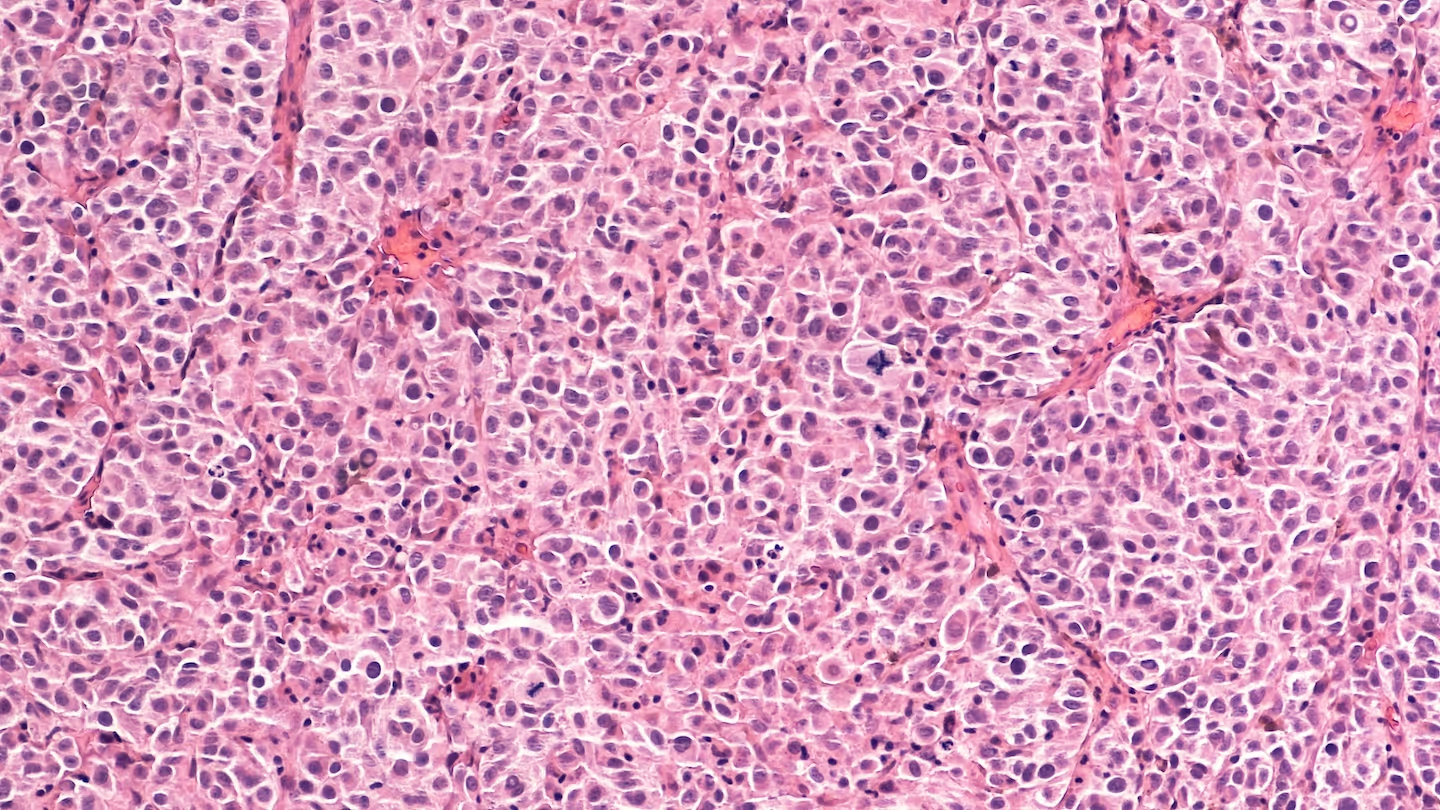
Melanoma is a cancer of pigment producing-cells called melanocytes. These cells are what give us each our own unique skin color. Most melanomas originate on sun-exposed skin, though they can also develop in other parts of the body, including the eyes and sun-shielded locations like mucous membranes or palms, soles, or under fingernails.
People tend to group all of these specific subtypes of melanoma together, but there are unique differences among each type.

Also known as melanoma of the skin, cutaneous melanoma is the most common form of melanoma, and the fifth most common cancer diagnosed in the US. Approximately 90% of cutaneous melanomas are caused by UV radiation from the sun or indoor tanning devices. Cutaneous melanoma can be a serious and potentially life-threatening if not detected and treated early.
Nodular melanoma is an aggressive subtype of cutaneous (skin) melanoma that tends to grow downward into the deeper layers of the skin earlier than other types of cutaneous melanoma.
It can develop on any area of the skin.

Acral melanoma, sometimes called acral lentiginous melanoma, is a rare melanoma subtype that forms on the palms, soles of feet, or under nails. Unlike cutaneous (skin) melanoma, it is not believed to be caused by sun exposure.
Uveal melanoma, sometimes called ocular melanoma, is a rare form of melanoma derived from the melanocytes in the uvea, the middle layer of the eye.

Mucosal melanoma invades mucosal tissue in the body including the nasal cavity, lining of sinuses and mouth, the gastrointestinal tract, vagina, anus, and other areas.
Children are especially vulnerable to skin damage from the sun’s UV rays and can even get melanoma. Just one bad sunburn during childhood can almost double the risk of developing melanoma later in life.
A blue nevus (plural nevi) is a specific type of mole that can occur anywhere on the skin. It is called “blue” because its black-brown melanin pigment resides deeper in the skin. While blue nevi are benign, they can rarely transform into a melanoma known as blue nevus-like melanoma or formerly malignant blue nevus.
While melanoma is the most deadly skin cancer, thankfully it is not the most common. Basal cell carcinoma (BCC) and squamous cell carcinoma (SCC) make up 99% of skin cancers diagnosed in the United States.


By joining MRA’s RARE Registry, you'll be joining a supportive and growing community of patients, advocates, and loved ones who are committed to advancing research into rare melanoma subtypes.
Learn More
